Every young person has the potential to succeed.
Sometimes, they simply need the right environment, the right support and someone who believes in them.
At Sports Coaching Group, our Alternative Provision (AP) programme is designed to do exactly that.
Working alongside schools, local authorities and virtual schools, we use sport, mentoring and positive relationships to help young people overcome barriers, improve wellbeing and re-engage with learning.
One recent success story perfectly demonstrates the life-changing impact that personalised Alternative Provision can have.
Building trust through sport
When Charles joined Sports Coaching Group’s Alternative Provision programme in January 2026 through Sefton Virtual School, he arrived with little confidence and understandably found it difficult to engage.
Rather than placing pressure on academic outcomes from day one, our experienced coaches focused on building trust.
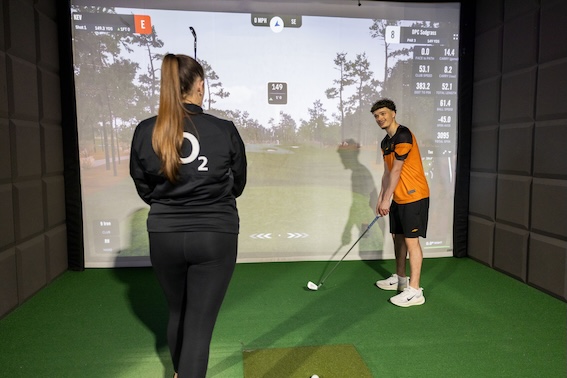
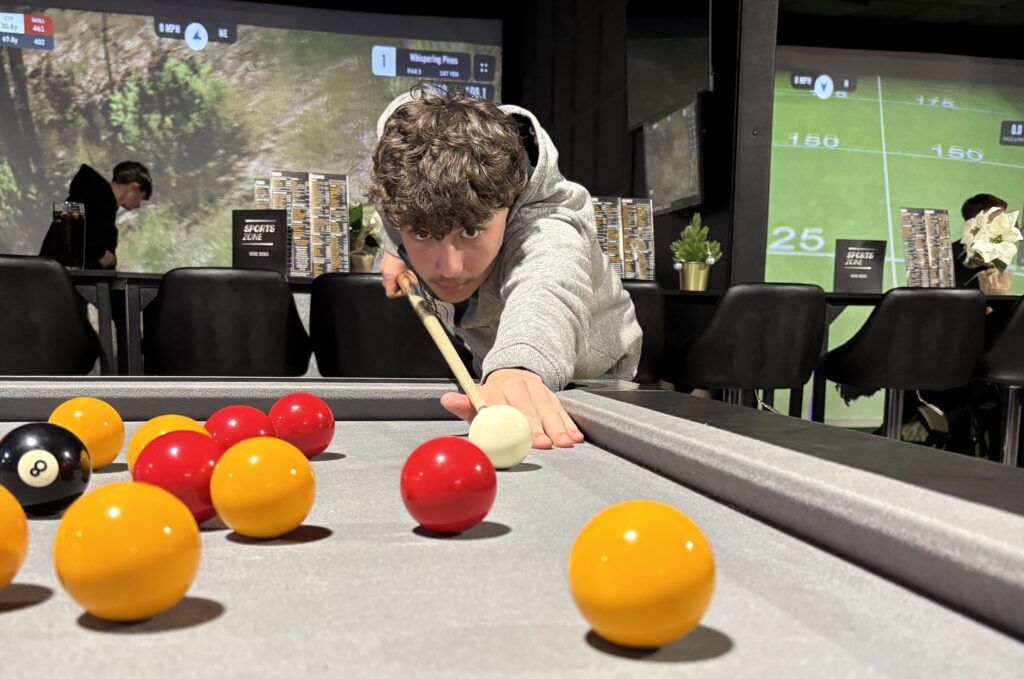
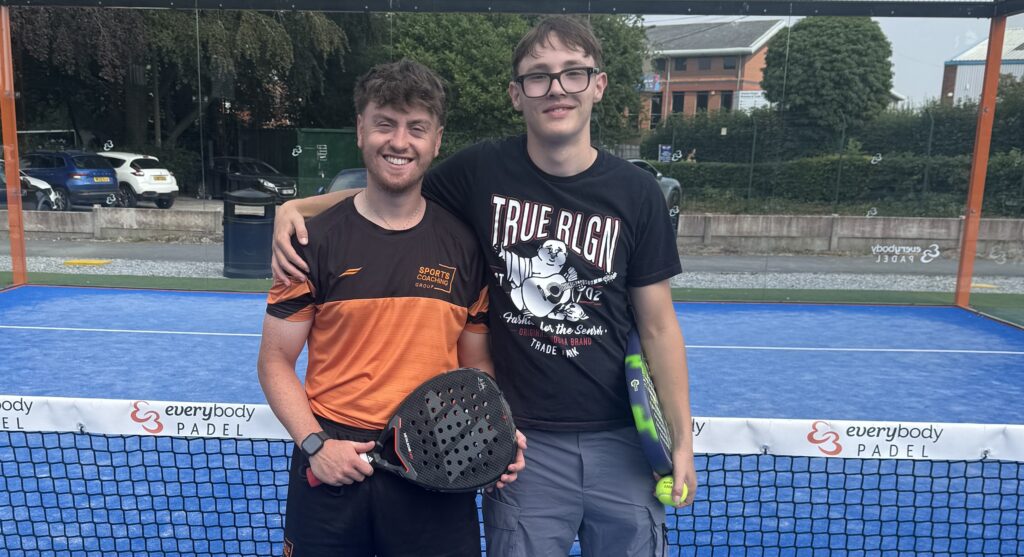
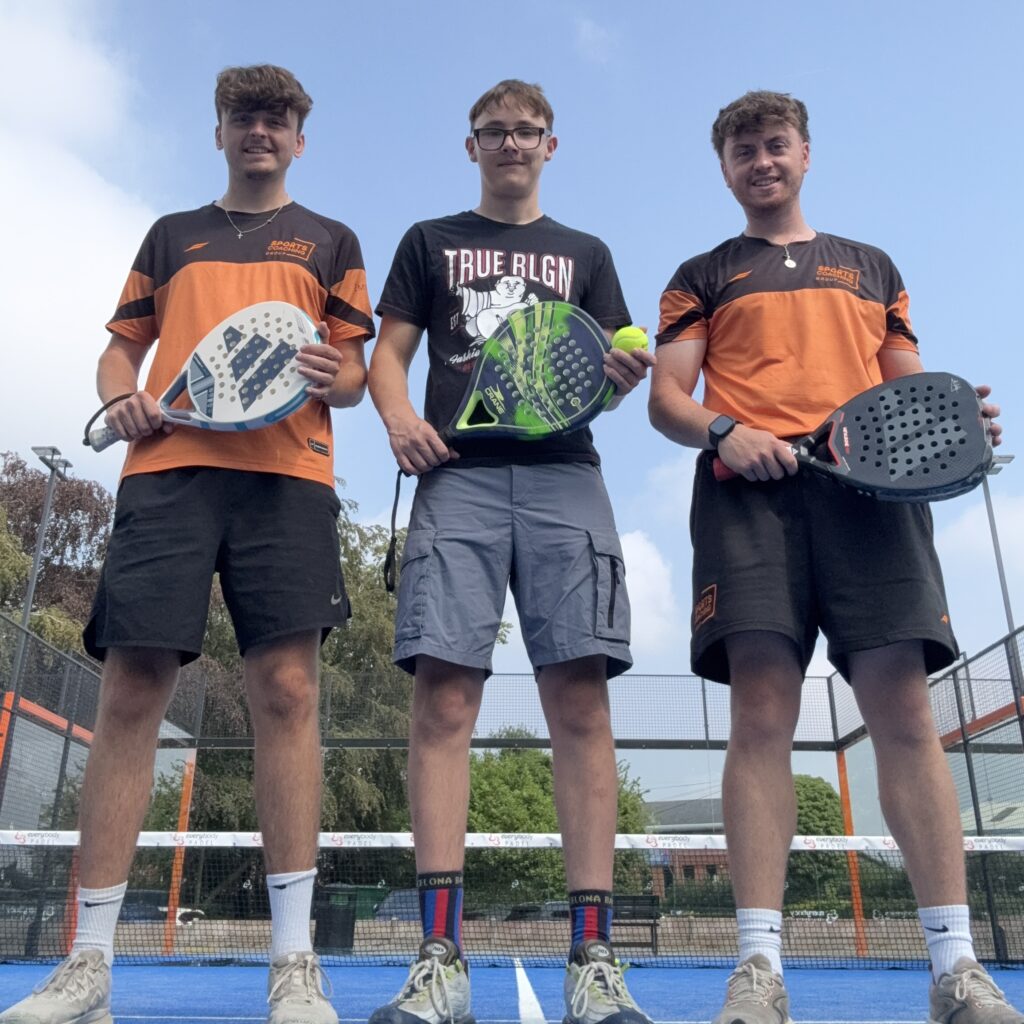
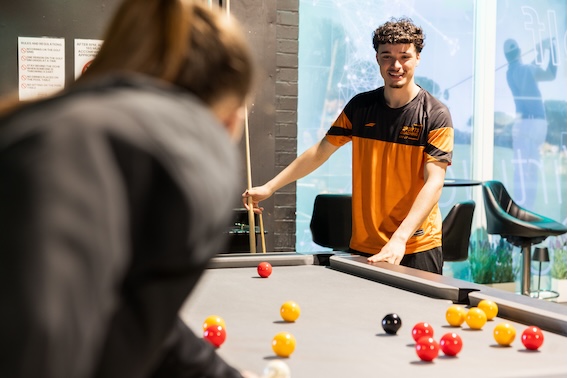
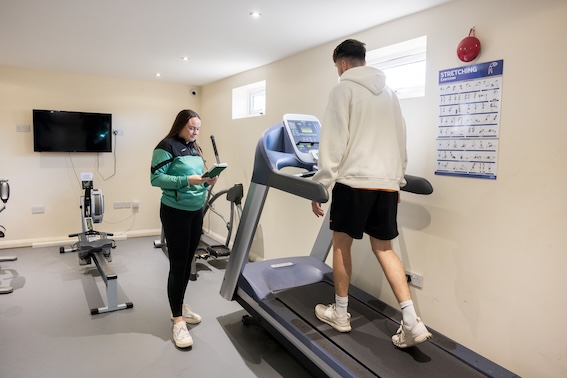
Through weekly sessions involving running, boxing, padel, fitness training and a variety of sporting activities, Charles gradually became more comfortable, began engaging with coaches and developed a positive routine.
Sport became more than just physical activity, it became the foundation for meaningful conversations, positive relationships and personal growth.
Supporting mental wellbeing
Like many young people accessing Alternative Provision, Charles had experienced significant challenges with his mental health.
As his confidence in our coaching team grew, he felt able to speak openly about his experiences and the difficulties he had faced.
Our coaches provided a safe, non-judgemental environment where discussions happened naturally alongside physical activity.
Together, they explored healthy coping strategies including exercise, goal setting, breathing techniques and emotional regulation.
This combination of mentoring and movement became a powerful tool in helping Charles develop resilience and confidence.
Discovering new confidence
Over the following months, Charles’ transformation became increasingly clear.
He pushed himself physically, progressing from struggling through longer runs to completing challenging hill climbs without hesitation.
He committed to regular gym sessions outside of his coaching programme and embraced new sports including basketball, cricket, tennis and boccia.
More importantly, he began setting his own goals.
Instead of simply attending sessions, he became fully invested in his own development, asking questions, seeking advice and taking ownership of his future.
Looking ahead with purpose
One of the greatest successes of Alternative Provision is helping young people rediscover ambition.
As Charles’ confidence grew, conversations naturally shifted from the challenges he faced each day to what he wanted to achieve in the future.
He spoke positively about returning to college, discussed career opportunities and developed a clear ambition to pursue a plumbing apprenticeship.
This growing sense of purpose reflected just how far he had progressed.
A journey measured by more than attendance
Throughout the six-month programme, Charles attended 35 out of 39 sessions, achieving an impressive 89.7% attendance rate.
His commitment was matched by remarkable personal development.
By the end of the programme, he had:
- Improved his physical fitness and overall wellbeing;
- Developed healthier ways to manage emotions and difficult situations;
- Built confidence through regular participation in sport;
- Discovered a passion for running, padel and strength training;
- Improved communication skills and self-belief;
- Developed clear aspirations for education, employment and independent living.
One of the programme’s defining moments came during the final weeks when Charles successfully completed a run to the summit of The Cloud, in Cheshire.
For many, it would simply be a fitness challenge.
For Charles, it symbolised six months of determination, resilience and personal growth.
The difference Alternative Provision can make
Every referral into Sports Coaching Group’s Alternative Provision programme is unique.
Some young people need help rebuilding confidence.
Others require additional emotional support, positive role models or a different way of engaging with education.
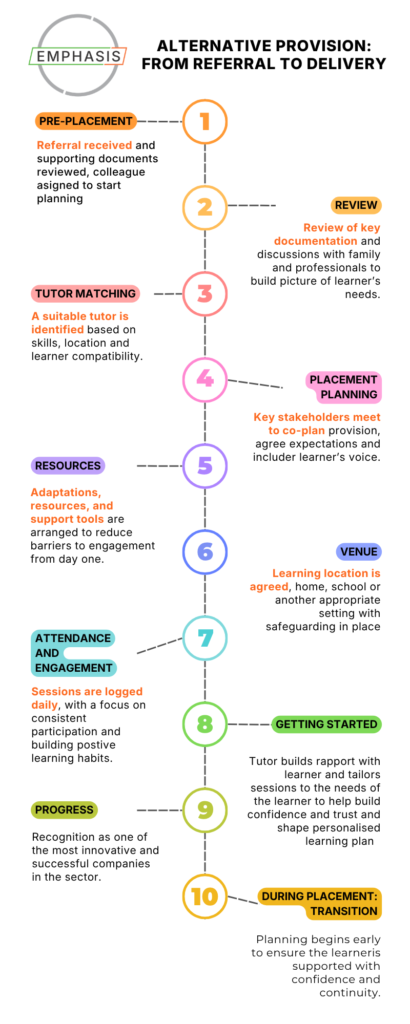
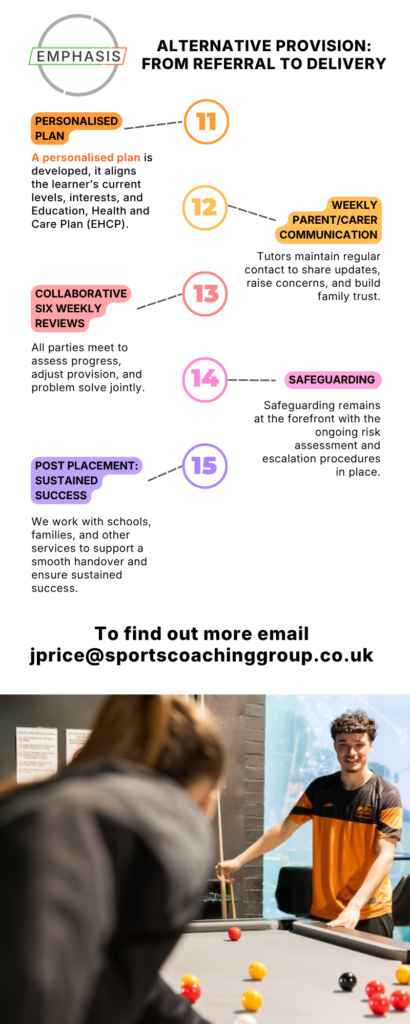
Our experienced coaches work alongside schools, virtual schools and local authorities to create personalised programmes that combine sport, mentoring and wellbeing support to help young people achieve meaningful, lasting outcomes.
Charles’ journey is a reminder that Alternative Provision isn’t simply about providing somewhere different to learn.
It’s about helping young people believe in themselves again.
It’s about creating opportunities where barriers once existed.
And it’s about giving every young person the confidence, resilience and life skills they need to build a brighter future.
If your school, academy, local authority or virtual school is looking for a trusted Alternative Provision partner, Sports Coaching Group can provide bespoke programmes that inspire engagement, improve wellbeing and help young people reach their full potential.
To find out more about our Alternative Provision services, contact [email protected] and discover how we can support the young people in your care.